Our Projects
Adventure
Water Sports
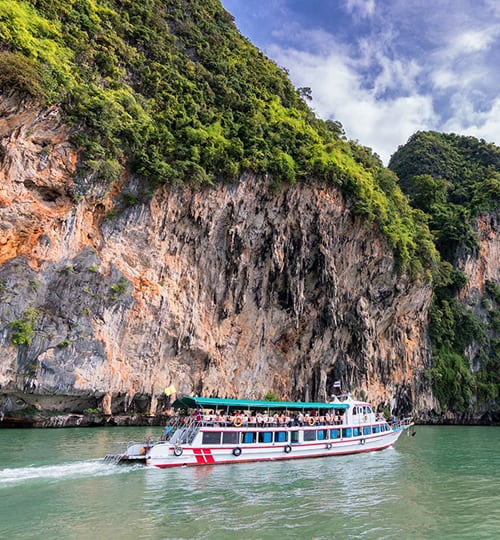
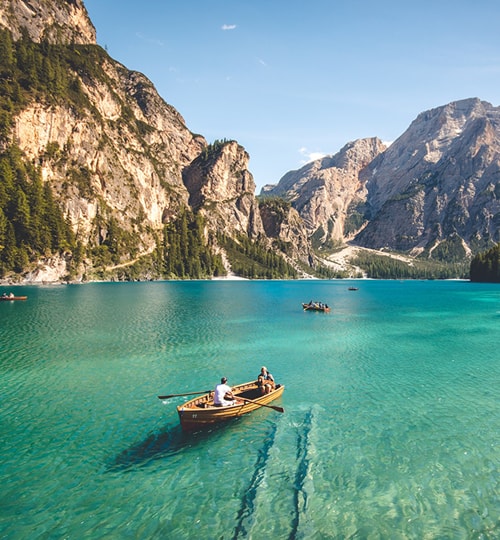
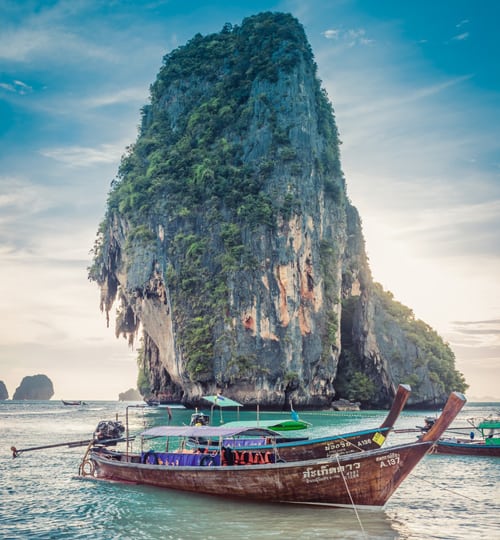
A water adventure is any exciting or recreational activity that takes place on or in water, often involving exploration, physical activity, or an adrenaline rush. These activities can be done in rivers, lakes, seas, oceans, or water parks.
Some popular water adventure activities include:
White-water rafting
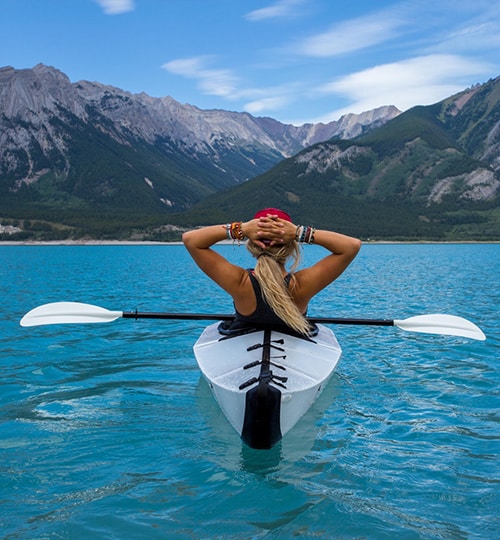
Kayaking and canoeing
Scuba diving
Snorkeling
Surfing
Jet skiing
Parasailing
Stand-up paddleboarding
Sailing
Water skiing
Water adventures can range from beginner-friendly experiences, such as paddleboarding or snorkeling, to more challenging activities like rafting through rapids or deep-sea scuba diving. Using proper safety equipment—such as life jackets and helmets where appropriate—and following trained guides are important for safe participation.
If you meant something more specific by "water adventure" (for example, a water park, a travel destination, or a particular activity), let me know and I can help with that.
Snow Adventure
Winter Sports
Winter sports are sports and recreational activities played on snow or ice, usually during the winter season or in indoor ice facilities.
Some popular winter sports include:
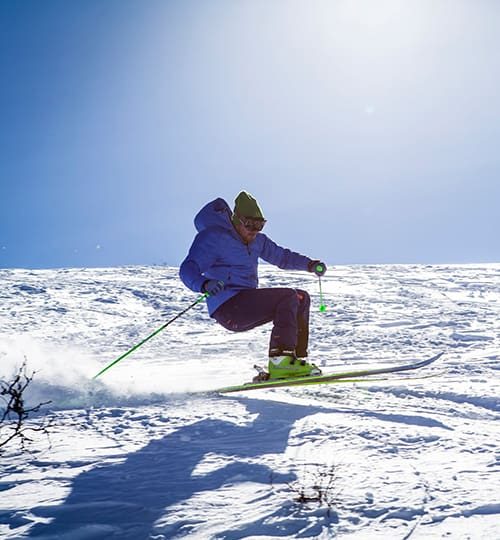
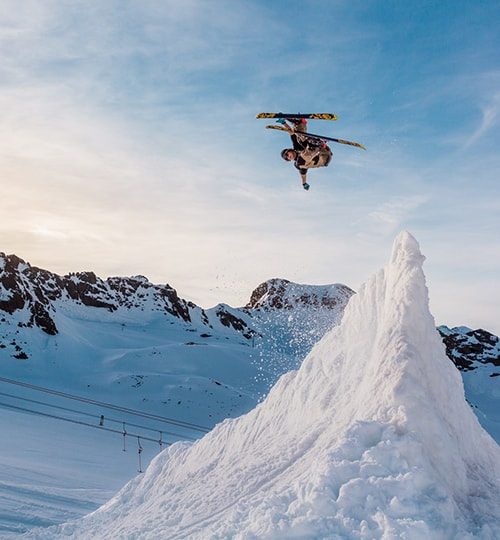
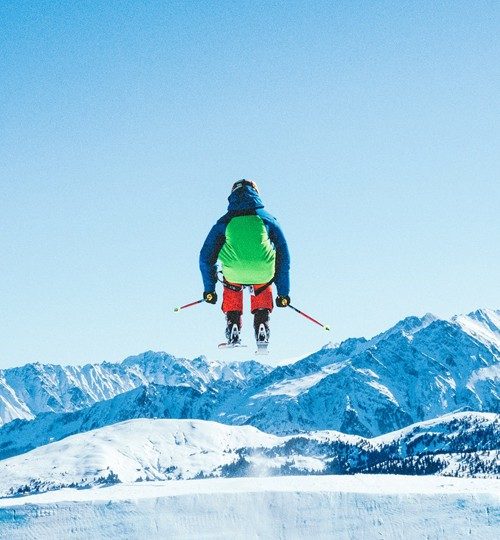
Skiing – Sliding down snowy slopes using skis.
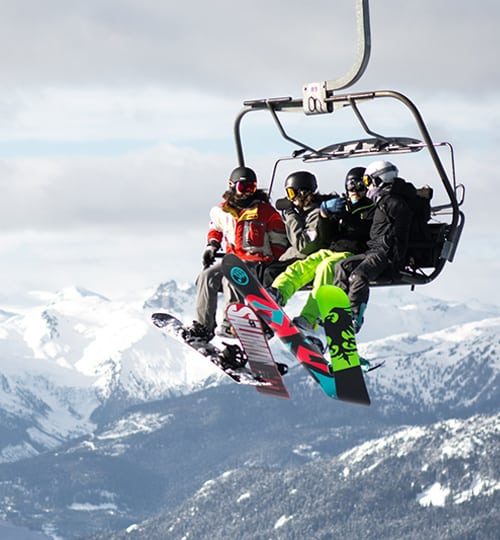
Snowboarding – Riding downhill on a single snowboard.
Ice skating – Gliding across ice using skates.
Ice hockey – A fast-paced team sport played on an ice rink.
Figure skating – Ice skating that combines athletic skill with artistic performance.
Curling – Teams slide stones across ice toward a target while teammates sweep the ice.
Bobsleigh (Bobsled) – Teams race down an ice track in a sled.
Luge – A single or double rider races feet-first on a small sled.
Skeleton – Riders race head-first on a small sled down an icy track.
Cross-country skiing – Skiing across snow-covered terrain rather than downhill.
Biathlon – A combination of cross-country skiing and rifle shooting.
Snowshoeing – Walking over deep snow using special snowshoes.
Benefits of winter sports
Improve physical fitness, balance, and coordination.
Build strength and endurance.
Provide adventure and recreation.
Encourage teamwork in sports like ice hockey and curling.
Safety tips
Wear appropriate warm clothing and protective gear.
Use helmets for activities such as skiing and snowboarding.
Follow weather forecasts and slope or rink safety rules.
Stay hydrated and take breaks to avoid fatigue.
Winter sports are enjoyed for recreation and competition, with many featured in the Winter Olympic Games.
Forest Tours
Camping
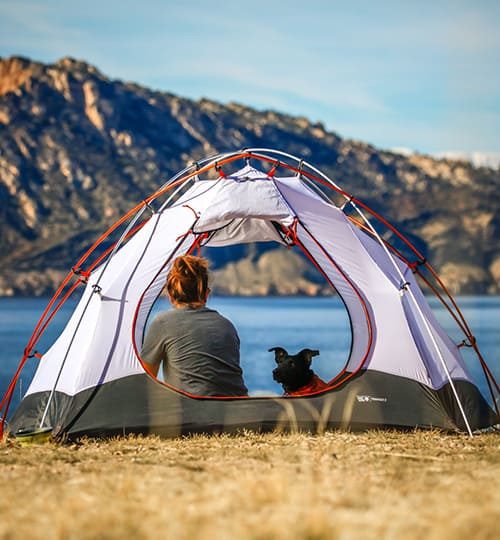
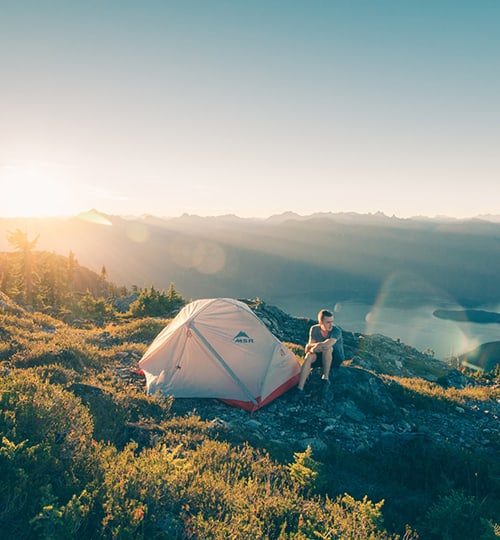
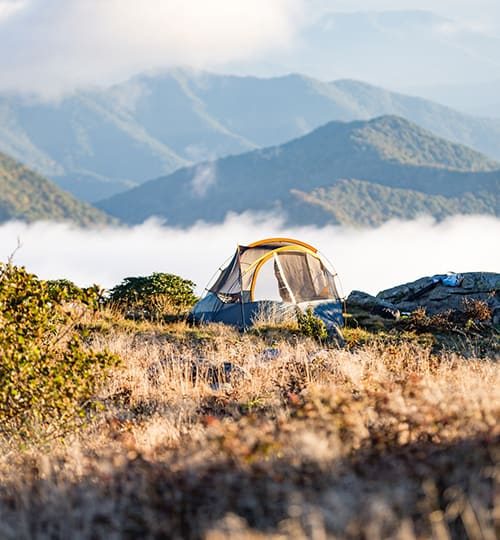
Camping is an outdoor recreational activity in which people stay overnight in a tent, camper, or other temporary shelter, usually in natural settings such as forests, mountains, beaches, or national parks.
Common camping activities
Setting up tents
Hiking and nature walks
Campfire cooking
Fishing
Birdwatching and wildlife spotting
Stargazing
Boating or canoeing
Photography
Essential camping equipment
Tent
Sleeping bag and sleeping pad
Flashlight or headlamp
First-aid kit
Food and drinking water
Cooking stove or camping cookware
Warm clothing and rain gear
Map, compass, or GPS
Benefits of camping
Connects you with nature
Reduces stress and promotes relaxation
Encourages physical activity
Develops outdoor survival and problem-solving skills
Strengthens relationships through shared experiences
Camping safety tips
Check the weather before you go.
Camp only in designated or safe areas.
Keep food stored securely to avoid attracting wildlife.
Never leave a campfire unattended, and extinguish it completely before leaving.
Carry a first-aid kit and let someone know your travel plans.
Follow the Leave No Trace principles by cleaning up all waste and respecting nature.
Camping can be enjoyed by individuals, families, or groups and ranges from basic tent camping to more comfortable styles such as RV camping or glamping